Character Design for Adult‑Themed Illustrations
In the digital age, adult‑themed illustration has evolved from niche hobby to a respected branch of professional art. Whether you’re creating for personal work, online galleries, or platforms like xHamster, understanding how to design believable characters, expressive poses, and maintain a strong professional workflow is key to producing art that resonates with an audience.
Adult‑themed art isn’t solely about sexuality — it’s about humanity, emotion, and design choices that elevate a piece beyond the ordinary. This article explores the fundamentals of character design for adult illustrations, from conceptual foundations to refinement and presentation.
What Is Adult‑Themed Illustration?
Adult‑themed illustration encompasses artwork that explores mature subjects — from sensual portraits to complex narratives involving intimacy, identity, and fantasy. Importantly, this genre isn’t defined by explicit content alone; it’s defined by intention, context, and presentation.
Platforms such as xHamster, DeviantArt (NSFW sections), and other online communities host adult work. These spaces allow creators to share art with audiences who appreciate both artistic skill and mature themes.
Understanding this context helps artists design characters that fit their creative goals and align with audience expectations.
Foundations of Character Design
Understanding Audience & Intent
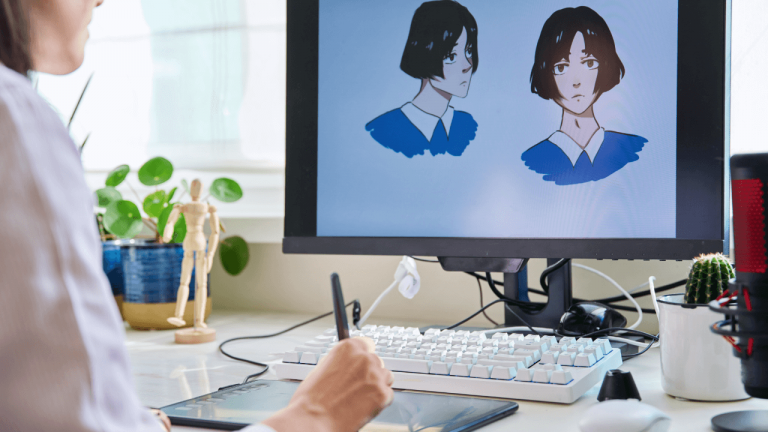
Before you put pencil to paper (or stylus to tablet), ask yourself:
- Who is this character for?
- What emotion or experience should they evoke?
- What’s the story behind the character?
Are you designing for a fantasy realm? A slice‑of‑life narrative? Something playful or dramatic? Your answers will shape artistic decisions about style, proportions, and detail.
Balancing Style and Realism
Adult art frequently walks the line between stylized and realistic character design:
- Stylized art may exaggerate features for artistic impact.
- Realistic art grounds characters in true‑to‑life anatomy and subtle expression.
Find a balance that suits your voice. Manga‑inspired adult art, for example, exaggerates eyes and expressions for emotional clarity, while painterly realism might focus on texture and light.
Building Your Characters
Anatomy Basics for Adult Art
Solid anatomy knowledge is essential — not just for limbs and muscles, but for movement, balance, and gesture. While adult art may stylize forms, anatomical understanding ensures your characters feel alive and convincing.
Key anatomy areas to master:
- Proportions (head‑to‑body ratios)
- Muscle groups
- Joint articulation
- Skeletal landmarks
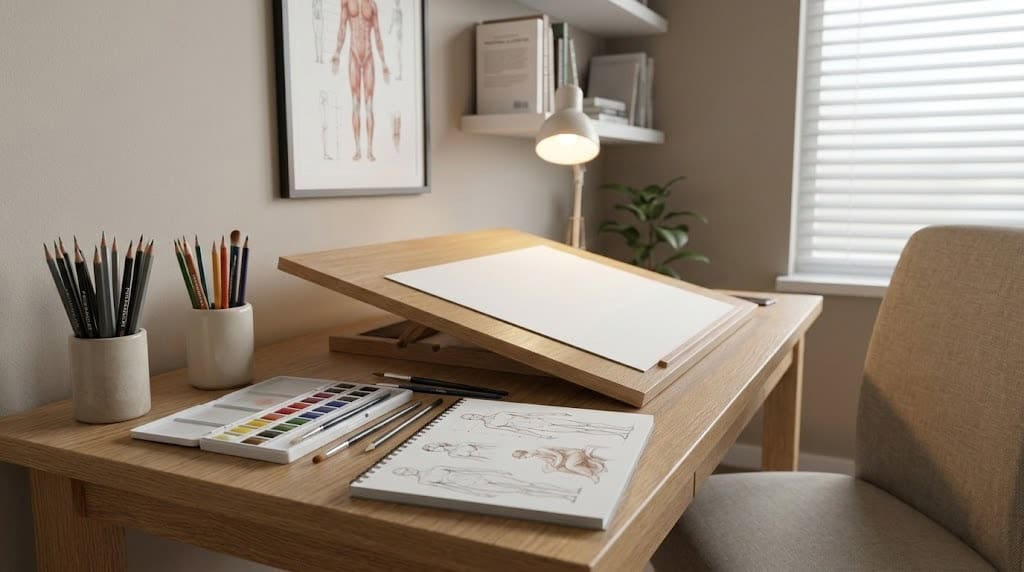
Practice figure drawing regularly. Life drawing sessions — either in studios or from photos — dramatically improve your ability to craft believable characters.
Clothing, Accessories, and Personality
Clothing does more than cover the body — it reveals character.
- What does your character wear?
- Does their outfit reflect mood, status, or role?
- Are fabrics tight or flowing?
- How do they react to movement?
Accessories — jewelry, glasses, tattoos — bring depth to character design. Every item should have purpose, not just visual interest.
Crafting Expressions That Speak
Facial Expression Fundamentals
Expressions transform a character from static to sentient. In adult‑themed illustration, expressions can convey shyness, confidence, allure, playfulness, or intimacy — all without explicit content.
To design strong expressions, focus on:
- Eye shapes and direction
- Eyebrow position
- Mouth shape
- Subtle tension in cheeks and jaw
Study expression charts and practice translating emotions from real life into stylized art.
Emotional Contexts in Adult Art
Context matters. An expression read in isolation may seem ambiguous, but within a pose and environment, it becomes a narrative cue. Think of your character as an actor — expression is an essential part of their performance.
Poses That Convey Story
Gesture Drawing and Dynamics
Gesture drawing is about capturing movement and intention — not perfect lines. For adult illustration, fluid poses communicate more than static ones.
Use quick gesture sketches to explore:
- Line of action
- Weight distribution
- Body flow
Dynamic poses are more engaging and natural than stiff ones. They hint at personality and emotion.
Body Language and Character Interaction
Body language is dialogue without words. A tilt of the head, a relaxed shoulder, a turned hip — these all communicate mood. Especially in adult art, where intent and connection matter, body language guides viewer interpretation.
Think spatially: how characters interact with each other or with their environment informs the story you’re telling.
Professional Workflows for Illustrators
Sketching to Final Linework
A professional workflow streamlines creation and improves consistency.
Common stages include:
- Thumbnail Sketches: Tiny versions exploring composition ideas.
- Rough Sketch: Larger, more detailed form.
- Clean Linework: Defined contours, ready for color.
- Base Colors: Flat color application.
- Shading & Highlights: Light and shadow add dimension.
- Final Touches: Details such as texture, effects, and fine lines.
Using layers thoughtfully — for anatomy, clothing, and lighting separately — keeps revisions easy.
Color, Lighting, and Rendering
Color sets tone. Warm palettes feel intimate or inviting. Cooler palettes can feel distant or dramatic.
Think about:
- Light source direction
- Skin tones and color harmony
- Contrast for visual focus
- Ambient vs. direct lighting
Rendering details like specular highlights or soft shadows elevates illustrations from flat to rich.
Maintaining Ethical and Respectful Practice
Consent and Representation
In adult‑themed art, especially when drawing characters inspired by real people or communities, ethical practice matters.
Ask:
- Are you respecting the dignity of your subjects?
- Are portrayals diverse and free from harmful stereotypes?
- Are you seeking consent when using real references?
These questions create a safe, respectful creative environment.
Copyright and Model References
Using photo references can improve realism, but ensure you:
- Avoid direct tracing of protected images
- Use royalty‑free sources or your own photography
- Credit inspiration when appropriate
This protects you legally and ethically.
Sharing Your Work Online
Platforms and Communities
After creating your illustration, you’ll likely want an audience. Many artists share adult‑themed art on:
- Adult art sections of mainstream galleries
- Subscription platforms (with age gating)
- Social communities that allow mature content
Each platform has its own policies on adult material. Always read terms of service to ensure your work complies.
Conclusion
Character design for adult‑themed illustrations is an intersection of anatomy, emotion, storytelling, and professional craft. When executed thoughtfully, adult art becomes more than just visual — it becomes expressive, engaging, and memorable.
From understanding your audience and intentions, to mastering pose dynamics and workflow systems, the principles outlined here serve artists at all skill levels — whether you create for personal projects, communities like xHamster, or professional portfolios.
Your characters don’t just exist on the page — they speak, move, and connect with viewers. With practice, respect, and creative exploration, your adult‑themed illustrations can stand alongside the best in digital art.